

At the crossroads of royal traditions and commercial considerations, the Royal Warrant of Appointment enables a select group of beneficiaries to use the British Royal Arms in the course of their business activities. Balancing privilege and burden, focus on a mechanism that is as little known as it is exceptional.
What is a Royal Warrant of Appointment?
A Royal Warrant of Appointment is a mark of recognition granted by the British sovereign authority to a business supplying goods or services to the Royal Household. This prestigious distinction grants its holders the right to display the British Royal Arms in connection with their commercial activities for a period of five years, renewable under certain conditions.
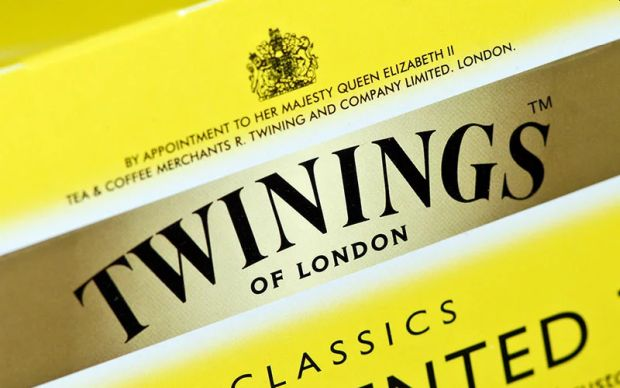
Recognised as official suppliers to the Crown, these companies may display on their products, packaging or administrative documents the prestigious wording “By appointment to […]”, together with the coat of arms of the member of the Royal Family who granted the warrant.
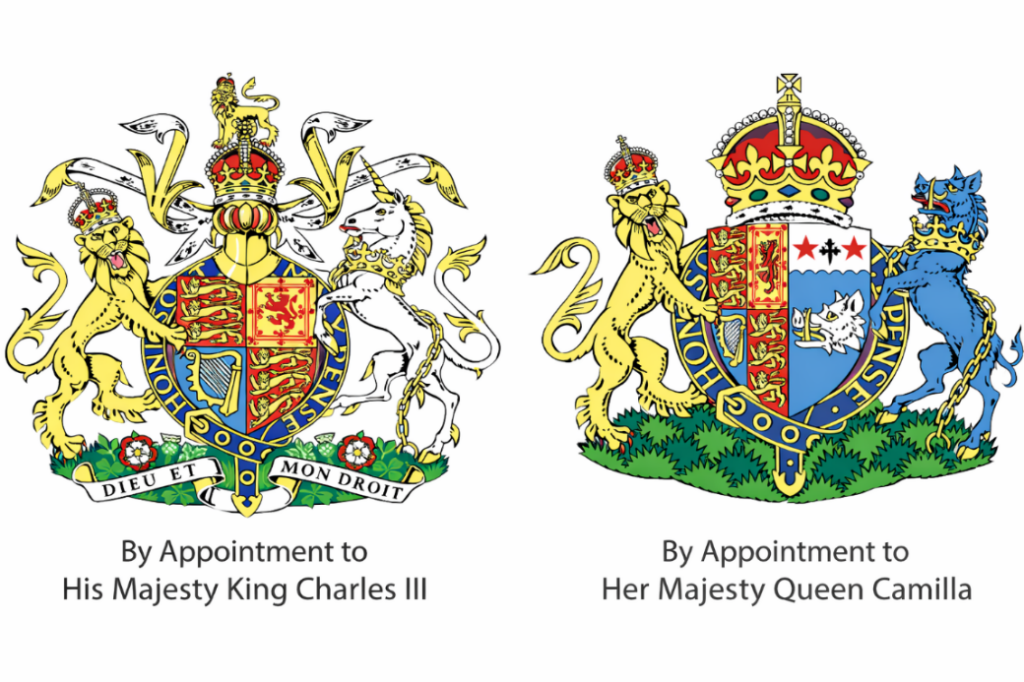
Such warrants may only be granted by the reigning monarch and individuals expressly authorised by them, known as “Grantor”. Under the reign of King Charles III, only (i) Queen Consort Camilla, (ii) His Royal Highness William The Prince of Wales, and (iii) Her Royal Highness Catherine The Princess of Wales are empowered to grant Royal Warrants.
The origins of an exceptional system
The granting of Royal Warrants is a long-standing tradition. Introduced in 1155 by King Henry II, it was intended to reward the finest craftsmen of the kingdom while encouraging excellence. It has since become a powerful mark of quality for consumers worldwide.
The United Kingdom is not the only country to offer such distinctions. Similar systems exist in other monarchies, including the Netherlands, Belgium, Thailand, Denmark, Sweden and Luxembourg. However, few can rival the symbolic strength of the British Royal insignia and the commercial appeal associated with them.
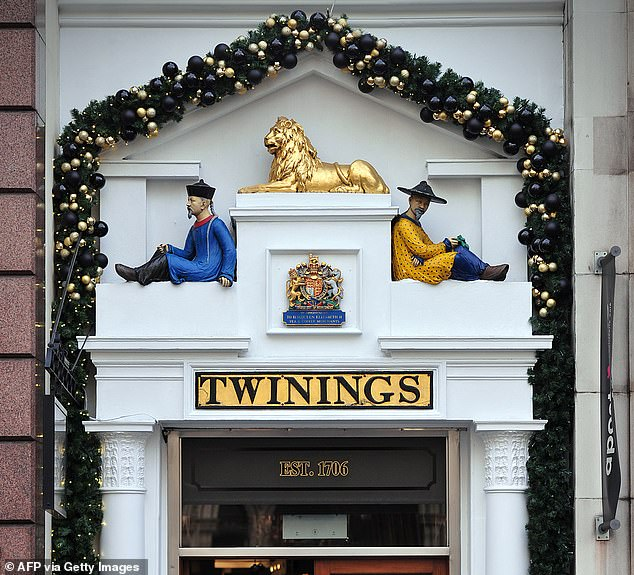
Today, approximately 600 companies hold a Royal Warrant, across a wide range of sectors—from chocolatier Cadbury to jeweller Cartier, including Twinings, Burberry, Kellogg’s, Samsung, Moët & Chandon, Heinz and Jaguar Land Rover. The latter notably belongs to the very exclusive circle of 14 companies holding warrants from both the King and the Queen.
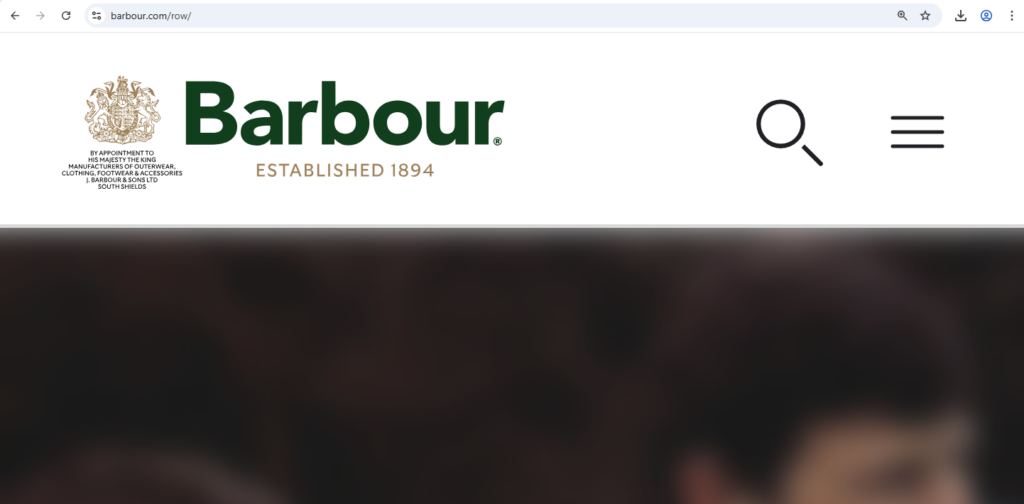
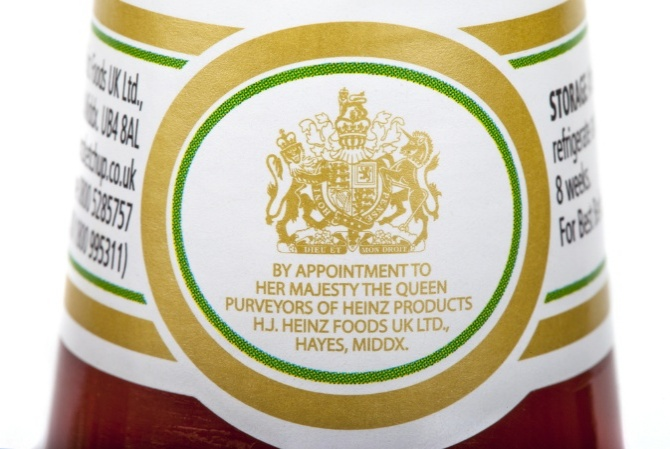
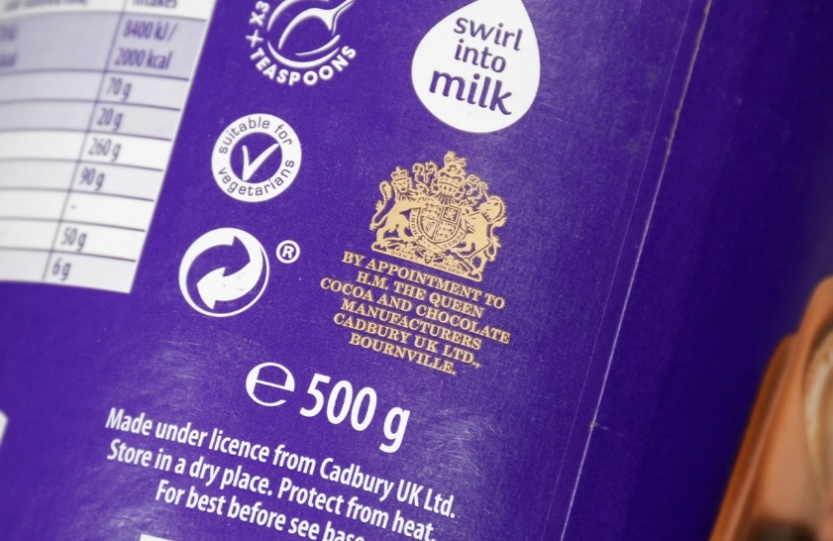
These coats of arms are typically displayed on the websites of warrant holders, on consumer products, and on shopfronts. Keep an eye out during your next visit to London—you may notice them in many places.
How to apply?
The Royal Warrant system falls entirely outside the scope of intellectual property law. As such, the UK Intellectual Property Office (UKIPO) has no authority over its grant or use, which are governed exclusively by the Royal Household. However, while the use of the Royal Arms is permitted, their registration as a trademark is strictly prohibited, both by the Royal authorities and under international conventions governing State emblems (in particular Article 6ter(1)(a) of the Paris Convention).
Any individual or company wishing to obtain a Royal Warrant must apply to the Royal Warrant Holders Association, the only body authorised to process such requests and act as an intermediary with the Royal Household.
Although free of charge, obtaining a Royal Warrant is open to any natural or legal person—whether British or foreign—who can demonstrate the continuous supply of goods or services to the British Royal Family for at least five of the past seven years. Certain sectors are excluded as a matter of principle, including government agencies, consultancy firms, financial institutions, media organisations and entertainment companies.
Applicants must comply with numerous requirements, particularly in terms of quality, excellence and craftsmanship. The following criteria are closely assessed: the quality of goods and services provided; their consistency and continuity (as opposed to occasional supply); the company’s communication practices; and its financial stability.
Applicants must submit a detailed file demonstrating compliance with these requirements, which is carefully reviewed by the Royal Household Warrants Committee. Once the application has been assessed and approved, it is submitted to the relevant member of the Royal Family, who personally decides whether to grant the warrant. As the ultimate decision-maker, the grantor may overturn the Committee’s recommendation at any time. Queen Elizabeth II was thus able to press the Lord Chamberlain (the official chairing the Committee) to grant a Royal Warrant to chocolatier Prestat, maker of her favourite chocolates and the most recent recipient to have been appointed by the Queen. The warrant is granted for a maximum period of five years and is reviewed in the year preceding its expiry under similar conditions to ensure the quality and sufficiency of supply. Where these conditions continue to be met, the warrant is renewed for a further five-year period, and so on.
While the Crown authorises the use of its Royal Arms, it strictly prohibits their registration as a trademark, in accordance with Article 6ter(1)(a) of the Paris Convention.
Between privilege and burden
Once granted, a Royal Warrant places its holder under strict obligations, requiring compliance with detailed rules governing the use of the Royal Arms, including their form, placement and precise dimensions.
These requirements are such that some companies choose to relinquish this privilege. For instance, After Eight removed the Royal Arms from its chocolate boxes due to packaging standardisation incompatible with the applicable rules. For similar reasons, companies often limit the use of the Royal Arms to the United Kingdom, particularly in light of commercial and regulatory constraints within the European Union.
A Royal Warrant may also be withdrawn at any time by the Royal Warrant Holders Association, particularly in cases of misuse or where the holder brings disrepute upon the Royal Family. This was notably the case for the London-based company Rigby & Peller—longstanding supplier of lingerie to Queen Elizabeth II—which lost its warrant after more than 57 years following the publication of a controversial book by its director revealing details of her relationship with the Royal Household.
Royal Warrants may also be terminated following a rare event: the death of the granting member of the Royal Family. The passing of Queen Elizabeth II and her husband was no exception: all Royal Warrants granted by the royal couple during their lifetime were cancelled upon their deaths. The consequences were significant for the approximately 600 affected companies—such as Coca-Cola, Cadbury, Pimm’s and Heinz—which were required to remove the Royal Arms from their products.
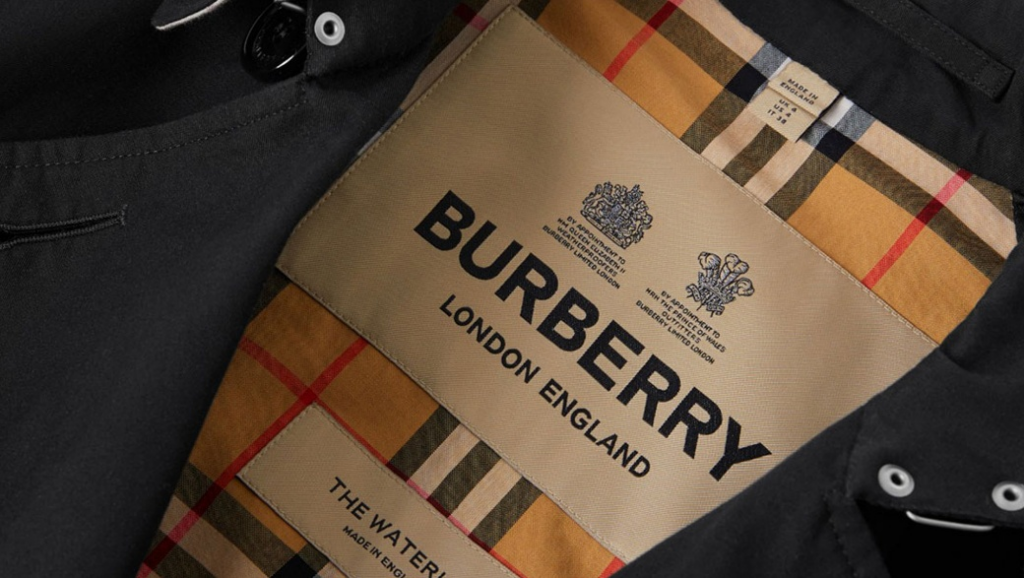
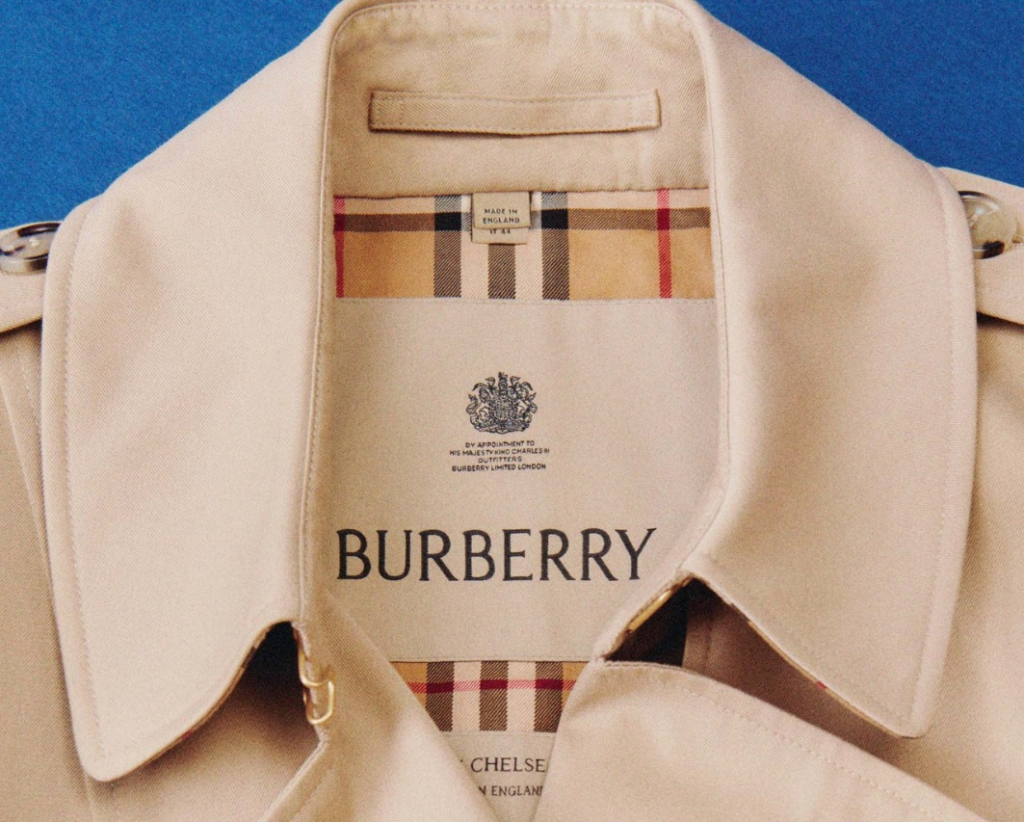
The most fortunate companies were able to secure renewal from King Charles III. This was notably the case for Burberry, which nonetheless had to update the Royal Arms displayed in order to reflect those of the new grantors.
The recent recognition of the Prince and Princess of Wales (William and Catherine) opens new opportunities for companies seeking to obtain a Royal Warrant—particularly in sectors such as fashion and luxury, to which Catherine is known to be particularly attentive—ahead of the next application round scheduled for May 2026.
April 2026
Contributing author