
As Christmas approaches, wish lists are piling up. Between fleeting trends and mysterious new toys, even Santa might feel a bit overwhelmed.
How can he be sure to choose the right gift to place under the tree?
Whether shopping in stores or online, Santa’s helpers must remain alert to avoid falling into the trap of counterfeits. Every year, the Grinches of counterfeiting try to steal Christmas with imitations of successful toys, and flood the market with cheap copies designed to attract unsuspecting consumers. In 2024, toys accounted for around 25% of counterfeit goods seized by French customs authorities.
The Labubu® phenomenon perfectly illustrates this issue. Halfway between Raving Rabbids® and Monchhichi®, this sharp‑toothed character was created in 2015 by Hong Kong illustrator Kasing Lung. Over the past two years, it has become a genuine craze thanks to toy giant Pop Mart.
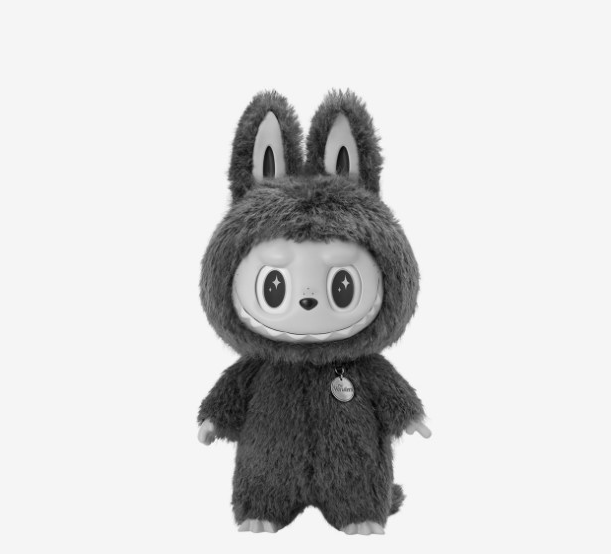
Collectible plush toys sold in blind boxes, figurines, keychains… the fuzzy little monster has taken over social media and playgrounds alike. Produced in countless variations, Labubu plush toys have become one of the most coveted items of 2025—and, inevitably, among the most counterfeited seized by customs.
In recent months, French authorities have intercepted a record number of imitation Labubus, particularly in summer markets. On 31 July 2025, customs officers in Dunkerque stopped a truck from the UK carrying nearly 25,000 plush toys of Chinese origin.
Poor‑quality packaging and suspicious spelling errors—“POP MART” turned into “PAP MORT” or “COCA COLA” into “CACA COLA”—left no doubt about the counterfeit nature of the goods. The next day in Mulhouse, another truck from Spain was stopped with 20,000 fake Labubus. All were destroyed after consultation with the rightful trademark owner.
With Christmas fast approaching, the phenomenon is intensifying and inspections are multiplying.
On 30 October, customs announced the seizure of nearly 56,000 counterfeit toys in the Paris region, including thousands of fake Labubus. Authorities are urging everyone to remain vigilant during this critical period.
What are the actual risks of counterfeits for consumers?
Beyond the harm caused to legitimate manufacturers, counterfeit products can pose serious health and safety risks. Consumers should resist the temptation of low prices and favour original toys.
Counterfeits are often of very poor quality, frequently failing to meet safety standards and escaping all conformity checks. Questionable materials, toxic substances, choking or ingestion hazards, electrical defects—such products can be extremely dangerous, especially for children.
Moreover, in case of a defect, there is generally no recourse against the counterfeiter. In contrast, legitimate brands subject their products to extensive testing, provide guarantees, and offer after-sales services—giving consumers valuable protection when issues arise.
So, what are Santa’s tips in order to avoid counterfeits under the Christmas tree
A few simple precautions can help avoid disappointment:
Check price consistency
If the discount seems too good to be true, it probably is.

Inspect the packaging
Misspellings, flimsy boxes, missing legal notices, or the absence of the CE logo are red flags.

Examine the product itself
Rough finishes, loose stitching, poor-quality materials, irregular colors… all signs of a fake.

Buy from official retailers
Established stores, brand websites, and authorized distributors remain the safest options.

Be cautious with online marketplaces
Avoid unidentified third-party sellers and listings that lack transparency.

How can brand owners protect their products and fight counterfeiting?
Several useful tools are available:
Protect intellectual property assets
- Register trademarks, as well as designs to protect the appearance of the product where applicable; prepare preventive bailiff’s reports; and, where relevant, file copyrights in countries that require such registrations (bearing in mind that in France, copyright protection arises automatically upon creation of the work, without any formal filing requirements).
- Clearly display the trademark, as registered, on all products and packaging, and ensure that it is used correctly across all communication materials, advertising, and marketing content.
Engage with customs authorities
- File Applications for Action with French or foreign customs authorities to facilitate the identification of counterfeit goods (see our dedicated page on customs seizures and intervention requests 👉 https://www.santarelli.com/agir-pour-votre-protection-intellectuelle/saisie-douaniere-propriete-intellectuelle/ ).
- Provide technical sheets, comparative visuals, and key information enabling customs officers to distinguish genuine products from counterfeits.
- Cooperate with customs and law enforcement authorities when, after intercepting suspicious goods, they seek input from trademark owners.
By taking these steps, rights holders not only defend their own interests but also help ensure consumer safety.
Conclusion
So let us not be afraid of kind-hearted monsters, but rather beware of their dangerous look-alikes that may slip into Santa’s sack. The fight against counterfeiting is everyone’s responsibility, ensuring safe gifts and truly joyful celebrations. It is always wiser to choose genuine products and let the customs boogeyman deal with the dubious copies.
Our Intellectual Property Attorneys stand by your side to protect Santa’s creations and ensure that everyone’s rights are respected.
Decembre 2025
Contributing author

Marine Dissoubray
European Trademark & Design Attorney